
Do This Before Turning on Your Furnace for the Winter: Essential Steps
Key Takeaways:
- Schedule a professional furnace inspection to identify hidden issues and ensure safe, efficient operation.
- Replace furnace filters regularly to maintain airflow, improve air quality, and reduce energy consumption.
- Inspect and clean air vents and ducts for blockages or leaks to optimize heating performance.
- Test carbon monoxide detectors and replace batteries to protect your family’s safety.
- Check the thermostat and pilot light for proper function before cold weather hits.
- Book annual furnace maintenance in the fall to extend equipment life and prevent winter breakdowns.
Table of Contents
1. Why Should You Prepare Your Furnace Before Winter?
As temperatures drop and colder weather approaches, preparing your heating system can mean the difference between cozy comfort and costly breakdowns. A few proactive steps now will save you from emergency repairs later.
- Prepare your furnace before the heating season to ensure your family stays warm and safe during cold weather.
- A well-maintained system provides efficient heating and helps avoid expensive emergency repairs.
- Essential preparation includes system inspection, filter replacement, and carbon monoxide detector checks.
- Professional assessment can identify potential issues before they escalate.
2. Furnace Inspection: What Does It Include?
A comprehensive inspection serves as your first line of defense against winter heating problems. Having a trained technician examine your system before you need it can uncover hidden issues that might otherwise cause breakdowns during the coldest days.
- Schedule a furnace inspection with an HVAC technician to verify your system operates safely.
- A thorough inspection identifies faulty components, such as electrical wiring or air ducts, that need repair or replacement.
- Check for signs of wear and tear, such as rust or corrosion, and look for blockages in the air vents.
- Professional evaluation helps prevent carbon monoxide poisoning and protects your family’s safety.
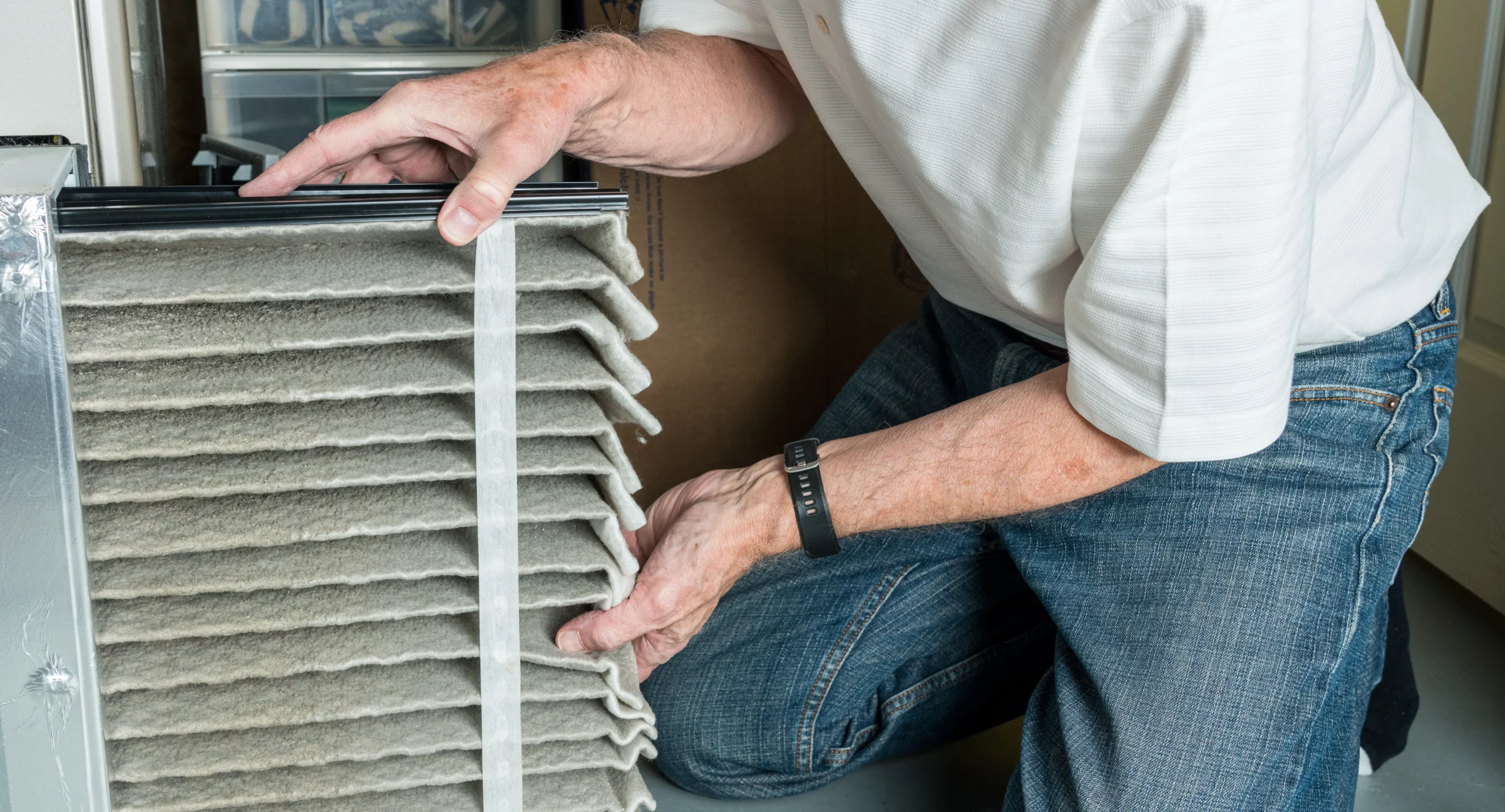
3. Furnace Filter: How Often Should You Replace It?
Your furnace filter plays a crucial role in maintaining both system efficiency and indoor air quality. When filters become clogged with dust and debris, your system must work harder, which impacts both performance and your utility bills.
- Replace filters regularly to maintain better airflow and improve air quality.
- Check monthly and replace every 2-3 months, or as recommended by the manufacturer.
- Clean filters reduce strain on your heating equipment and lower energy consumption.
- Consider upgrading to a high-efficiency filter for improved performance.
4. How to Clean and Maintain Furnace Vents and Ducts for Better Airflow
Clear, unobstructed vents help your furnace distribute warm air evenly throughout your home. Blocked vents can cause pressure imbalances, reduce efficiency, and even strain your HVAC system.
- Inspect and clean air vents to ensure proper airflow and prevent debris accumulation.
- Check for blockages or leaks in the ducts and seal them to prevent hot air from escaping.
- Keep furniture and other objects away from vents to maintain airflow and prevent overheating.
- Regular vent maintenance improves overall system efficiency.
5. How to Prevent Carbon Monoxide Leaks From Your Furnace
Carbon monoxide is an invisible, odorless gas that poses a serious threat to your family’s safety. Malfunctioning furnaces and gas-burning appliances can produce this dangerous gas, making working detectors essential for protecting your loved ones.
- Install and maintain carbon monoxide detectors throughout your home.
- Replace detector batteries regularly and test them monthly to verify they function correctly.
- Watch for warning signs, such as strange odors or burning smells, and take immediate action if you suspect a leak.
- Faulty furnaces can produce carbon monoxide, making annual professional inspections critical.
6. Furnace Pilot Light Maintenance: Tips for Safe Operation
For furnaces equipped with pilot lights, ensuring this small flame burns steadily and correctly is vital for proper operation. An improperly adjusted pilot light can prevent your furnace from starting when you need it most.
- Check the pilot light to verify it burns properly and adjust as needed.
- A malfunctioning pilot light forces your furnace to work harder, increasing energy costs and reducing its lifespan.
- If you smell gas or suspect pilot light problems, contact an HVAC professional immediately.
- Regular pilot light checks prevent future complications and maintain efficiency.
7. How to Test and Calibrate Your Thermostat for Accurate Heating
Your thermostat serves as the command center for your heating system. Even minor thermostat issues can cause uncomfortable temperature fluctuations and wasted energy. Verifying accurate temperature readings before cold weather arrives helps you avoid unnecessary problems.
- Inspect your thermostat to verify it works properly and adjust temperature settings as needed.
- Consider upgrading to a programmable or smart thermostat to improve efficiency and convenience.
- A faulty thermostat can cause your furnace to cycle unnecessarily, wasting energy and shortening the equipment’s lifespan.
- Regular thermostat verification prevents operational issues throughout the season.
8. Annual Furnace Maintenance: When Should You Schedule It?
Timing your maintenance correctly saves both money and stress. Scheduling service during the fall—before you actually need heat—allows you to address issues proactively, often at better rates and with more flexible appointment times than during the peak winter season.
- Schedule annual maintenance with an HVAC professional before the heating season begins.
- Regular professional service extends the lifespan of the furnace and provides peace of mind.
- Preventive maintenance catches potential problems early, reducing the need for emergency repairs.
- Consider off-season scheduling to avoid higher prices and longer wait times.
- Keep records of your maintenance schedule and any issues that arise for future reference.
9. Essential Furnace Safety Tips Every Homeowner Should Follow
Working around heating equipment requires caution and respect for potential hazards. Whether performing basic maintenance yourself or preparing for a professional service visit, following proper safety protocols protects everyone in your household.
- Always turn off the power and gas supply before performing any furnace maintenance.
- Stay vigilant about carbon monoxide risks by installing detectors and maintaining your furnace regularly.
- Keep children and pets away from the furnace and vents to prevent accidents.
- Regular safety checks minimize risks throughout the heating season
10. Proactive Furnace Preparation Steps Before Winter Arrives
Taking these proactive steps before turning on your furnace isn’t just about comfort—it’s about protecting your investment, ensuring your family’s safety, and avoiding the stress of unexpected breakdowns during the coldest months.
- Proper preparation ensures efficient heating all season long.
- Professional furnace maintenance verifies your system operates safely and reliably.
- Following these essential steps helps keep your family warm and safe throughout winter.
Don’t wait until the first cold night to discover your heating system needs attention. Contact the experienced heating and air conditioning experts at Patriot Air today to schedule your furnace inspection and maintenance. Our skilled technicians will ensure your HVAC system is ready to keep your home warm, safe, and comfortable all winter long. Let the pros at Patriot Air help you prepare your heating system so you can enjoy peace of mind throughout the colder months ahead.
Recent Comments