
Two Simple Ways to Improve Your Home’s Air Quality for Better Living
Key Takeaways:
- Improve Ventilation: Open windows, use exhaust fans, and keep air vents clear to remove stale air, reduce humidity, and bring in fresh air.
- Use Air Cleaners with HEPA Filters: Capture up to 99.97% of airborne pollutants, including dust, allergens, and smoke, for cleaner, healthier indoor air.
- Together, these methods reduce indoor pollutants, prevent mold growth, and promote better respiratory health and comfort for your family.
Table of Contents

What is Indoor Air Quality? Why it Matters for Your Health
Indoor air quality refers to the condition of the air within your home and how it affects your health and comfort. Poor indoor air quality can lead to various health issues, including respiratory symptoms, difficulty breathing, and long-term respiratory diseases. According to the Environmental Protection Agency, indoor air can be two to five times more polluted than outdoor air, making it essential to address indoor air pollution.
The health effects of poor air quality include:
- Respiratory symptoms such as coughing and wheezing
- Increased risk of lung cancer from prolonged exposure
- Aggravation of existing respiratory diseases
- Headaches and fatigue
- Eye, nose, and throat irritation
The American Lung Association emphasizes that improving indoor air quality is crucial for reducing health hazards and creating a healthier living environment for you and your family.

Common Causes of Poor Indoor Air Quality in Homes
Understanding the sources of indoor air pollution is the first step toward improving your home’s air quality. Indoor air pollutants come from various sources that many homeowners encounter daily.
Common indoor air pollutants include:
- Pet dander and animal allergens
- Dust mites that accumulate in bedding and carpets
- Mold spores that grow in areas with excess moisture
- Volatile organic compounds (VOCs) from cleaning products, paints, and furniture
- Cooking fumes from gas stoves and other gas appliances
- Tobacco smoke and secondhand smoke
- Carbon monoxide from heating systems and gas appliances
- Fine particles and harmful chemicals from wood stoves
Poor ventilation, inadequate air flow, and excess moisture can trap these pollutants indoors, creating stale indoor air that poses significant health risks.

The Two Best Ways to Improve Indoor Air Quality
“We understand that homeowners want to save money wherever possible,” says Bill Kanipe. “But when it comes to HVAC repairs, what seems like a simple fix can quickly become a safety hazard or cause even more expensive damage to your system.”
How to Improve Home Ventilation for Cleaner Air
Proper ventilation is one of the most effective and cost-efficient ways to improve indoor air quality. Ventilation helps remove stale indoor air, reduce indoor air pollutants, and bring fresh air into your home.
How to improve ventilation in your home:
- Open windows and doors regularly to allow natural air flow and air exchange
- Use exhaust fans in kitchens and bathrooms to remove cooking fumes and excess moisture
- Run whole-house ventilation systems to maintain consistent air movement
- Ensure air vents are unobstructed to promote adequate ventilation
- Create cross-ventilation by opening windows on opposite sides of your home
Benefits of improved ventilation:
- Removes harmful particles and indoor pollutants naturally
- Reduces humidity levels and prevents mold growth
- Dilutes concentrations of indoor air pollutants
- Brings in outdoor air to refresh indoor environments
- Helps eliminate cooking fumes and other temporary pollutants
Natural ventilation is particularly effective because it requires no special equipment and can significantly improve air quality immediately. Even in colder months, opening windows for just 10-15 minutes daily can make a substantial difference in your home’s air quality.
Why HEPA Air Cleaners Improve Indoor Air Quality
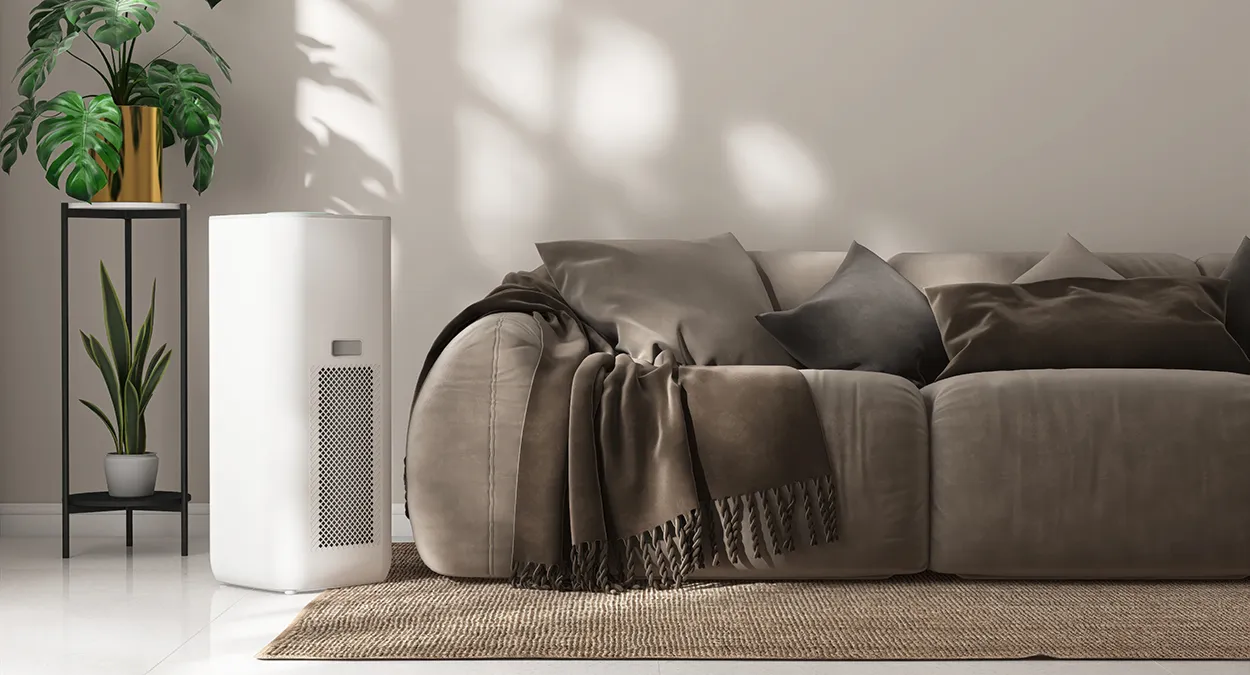
Air cleaners equipped with HEPA (High-Efficiency Particulate Air) filters are highly effective at removing indoor air pollutants and improving indoor air quality. HEPA filters can capture up to 99.97% of particles as small as 0.3 microns, including dust, pollen, pet dander, and other harmful particles.
Types of air cleaners to consider:
- Portable air cleaners for individual rooms or specific problem areas
- Whole-house air cleaners integrated into your HVAC system
- Air purifiers with activated carbon filters for removing VOCs and odors
- HEPA filter units specifically designed for allergy and asthma sufferers
Key benefits of air cleaners:
- Remove fine particles, dust mites, and indoor allergens
- Capture pet dander and animal-related pollutants
- Reduce mold spores and prevent respiratory symptoms
- Filter out smoke particles and cooking fumes
- Improve air quality for people experiencing respiratory symptoms
Maintenance tips for optimal performance:
- Replace air filters according to manufacturer recommendations (typically every 3-6 months)
- Clean pre-filters monthly to maintain air flow
- Position portable air cleaners in high-traffic areas or rooms where you spend the most time
- Choose appropriately sized units for your room dimensions
- Run air cleaners continuously for best results
Additional Effective Methods to Improve Indoor Air Quality
While improving ventilation and using air cleaners are the two simplest approaches, several other methods can further enhance your indoor air quality.
How HVAC Maintenance Helps Improve Air Quality
Regular maintenance of your heating and cooling systems is essential for maintaining good air quality throughout your home.
HVAC maintenance checklist:
- Change air filters every 1-3 months, depending on usage
- Schedule professional HVAC system inspections annually
- Clean air ducts every 3-5 years to remove accumulated dust and debris
- Inspect heating systems before winter to ensure proper function
- Check for proper air flow through all vents and registers
- Ensure adequate ventilation in mechanical rooms
How to Control Indoor Humidity for Better Air Quality
Excess moisture creates an environment where mold spores, dust mites, and other indoor allergens thrive. Controlling humidity levels is crucial for preventing these health hazards.
How to control humidity effectively:
- Use dehumidifiers in damp areas like basements
- Run exhaust fans during and after showers
- Fix water leaks promptly to prevent excess moisture
- Maintain humidity levels between 30-50% for optimal comfort
- Use humidifiers in dry winter months to prevent respiratory irritation
- Ensure proper ventilation in moisture-prone areas
Carbon Monoxide Safety Tips for a Healthier Home
Carbon monoxide is a colorless, odorless, and deadly gas that can come from gas appliances, heating systems, and wood stoves. Installing carbon monoxide detectors is a critical safety measure.
Carbon monoxide safety essentials:
- Install detectors on every level of your home
- Place detectors near sleeping areas
- Test detectors monthly and replace batteries annually
- Have gas appliances and heating systems inspected annually
- Ensure adequate ventilation when using gas stoves or wood stoves
- Never use generators or grills indoors
Source Control: How to Reduce Indoor Air Pollutant
Controlling pollutants at their source is often more effective than trying to remove them after they’ve entered your indoor air.
Strategies for source control:
- Choose low-VOC or zero-VOC paints and cleaning products
- Store harmful chemicals and volatile organic compounds in sealed containers
- Avoid smoking indoors and eliminate secondhand smoke exposure
- Use range hoods when cooking to capture cooking fumes
- Keep indoor plants to filter some pollutants (though effects are modest) naturally
- Vacuum regularly with a vacuum cleaner equipped with HEPA filtration
- Groom pets outdoors to reduce pet dander indoors
- Use doormats and remove shoes to prevent outdoor pollutants from entering
Should You Get Professional Indoor Air Quality Testing?
Professional testing can identify specific indoor air pollutants you may not be aware of, allowing you to target your improvement efforts more effectively.
What testing can reveal:
- Presence of radon (a natural radioactive gas)
- Mold and mold spores in hidden areas
- VOC concentrations from building materials
- Carbon monoxide levels from gas appliances
- Overall air quality metrics and problem areas
Testing is particularly valuable if household members are experiencing respiratory symptoms without an obvious cause or if you’ve recently completed renovations.
Long-Term Health and Home Benefits of Good Indoor Air Quality
Investing in improved indoor air quality provides significant long-term benefits for both human health and home comfort.
Health benefits include:
- Reduced risk of respiratory diseases and lung cancer
- Fewer allergy and asthma symptoms
- Better sleep quality
- Improved cognitive function and productivity
- Lower risk of headaches and fatigue
- Reduced exposure to harmful chemicals and particles
Home benefits include:
- An extended HVAC system lifespan through proper maintenance
- Reduced energy consumption with efficient systems
- Less dust accumulation on surfaces
- Prevention of mold and mildew damage
- Improved overall comfort and livability
How Do You Get Started Improving Your Indoor Air Quality?
Taking action to improve your home’s air quality doesn’t have to be complicated or expensive. Start with these two simple steps:
- Improve ventilation by opening windows daily and using exhaust fans
- Invest in air cleaners with HEPA filters for key living areas
These foundational steps will immediately begin reducing indoor air pollutants and creating healthier air for you and your family. From there, you can implement additional measures like HVAC maintenance, humidity control, and source reduction to further enhance your indoor air quality.
The Environmental Protection Agency and American Lung Association both emphasize that even small improvements can have significant health effects. By taking control of your indoor air quality today, you’re investing in better health and comfort for years to come.