
Why Is My Furnace Making a Loud Noise? Banging, Rattling, and Whistling Explained
A furnace can make banging, rattling, whistling, humming, or popping noises. Some are normal (minor expansion pops), but loud or new noises often signal airflow restrictions, loose parts, motor wear, or delayed ignition. Banging or grinding should be inspected immediately.
Key Takeaways:
- Banging often indicates delayed ignition or duct expansion and should be inspected immediately.
- Rattling points to loose parts, aging components, or blower issues.
- Whistling signals restricted airflow from clogged filters or undersized ductwork.
- Humming or buzzing suggests electrical or blower motor problems.
- Popping may result from dirty burners or metal expansion.
- Loud, new, or worsening noises require professional evaluation to prevent costly repairs and safety hazards.
Table of Contents
Strange sounds from your furnace can be alarming, especially during cold weather when you rely on warm air to keep your home comfortable. While some furnace noises are normal during operation, others signal the need for professional inspection and potential repair.
“Homeowners often wait until a small noise becomes a major problem,” says Bill Kanipe, President of Patriot Air Comfort Systems. “What starts as a minor rattling or humming sound can quickly escalate into costly repairs or even safety hazards. Understanding what different sounds mean can help you determine when to call an HVAC technician and prevent further damage to your system.”
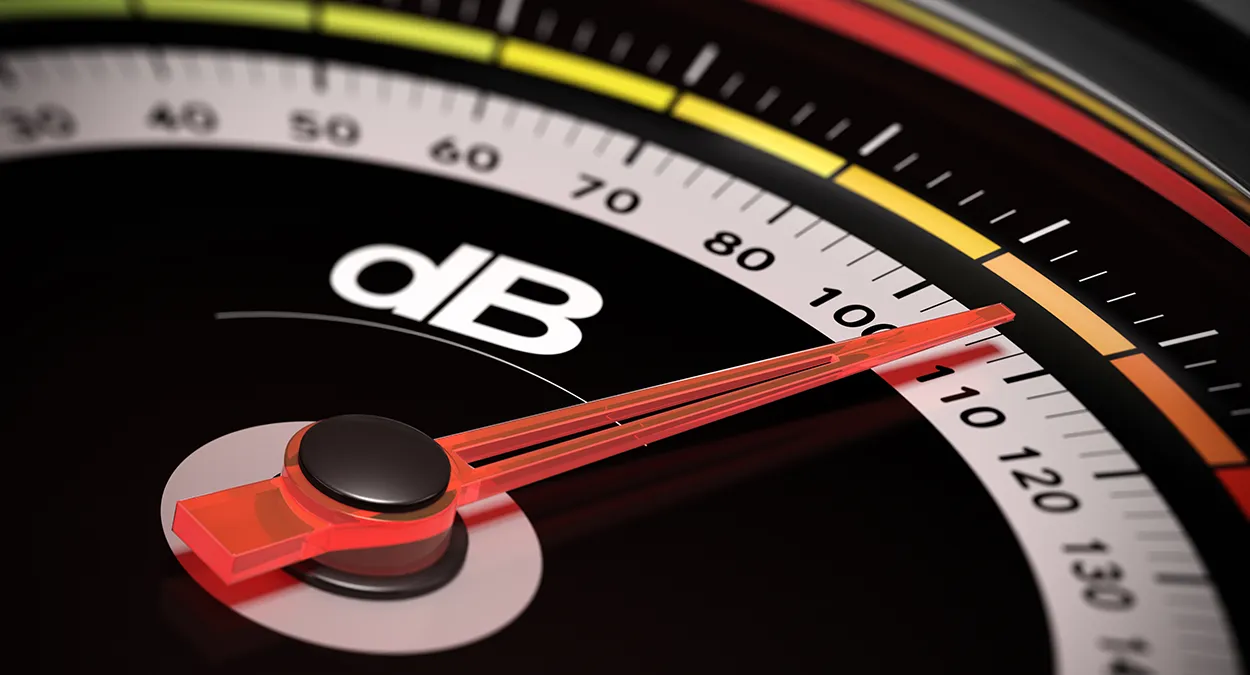
What Do Different Furnace Noises Mean?
When your furnace develops mechanical issues, various components can produce distinct sounds that signal something may be going wrong. Here’s what common furnace sounds indicate:
Banging Noise
- Often occurs when your furnace starts, signaling a delayed ignition problem
- Results from gas accumulating before ignition, creating a small burst in the combustion chamber
- It can result from thermal expansion in your ductwork as metal parts heat up and cool down
- Requires immediate attention from an HVAC technician to address potential safety concerns
Rattling Noise
- Usually points to loose parts, loose panels, or loose ductwork throughout your system
- May indicate problems with the blower fan or the blower wheel becoming detached
- Can signal that mechanical components need tightening or replacement
- Common in aging furnace units, where fasteners have vibrated loose over time
Whistling Noise or High-Pitched Sounds
- Typically caused by restricted airflow through your system
- Often results from a clogged air filter that blocks proper air circulation
- May indicate issues with air ducts or undersized ductwork
- Can signal problems with the heat exchanger, especially in older furnaces
Humming Sound or Buzzing Noise
- Usually indicates electrical issues or problems with the blower motor
- May point to worn motor bearings that need replacement
- Can signal transformer problems in electric furnace systems
- Often related to capacitor issues that affect the blower fan operation
Popping Noise
- Common when your furnace starts, as metal parts expand from temperature changes
- May indicate dirty gas burners that need cleaning
- Can signal combustion problems requiring professional inspection
- Normal in small amounts, but concerning if loud or frequent

Why Is My Furnace Making a Loud Noise When It Runs?
Several factors contribute to excessive noise during operation. Understanding these causes helps you identify when your system requires professional attention:
Blower Motor Issues
- Worn blower motor bearings create grinding or squealing sounds
- Failing motor components can cause a humming, buzzing, or clicking noise
- Blower wheel imbalance produces rattling or vibrating sounds
- Motor problems often worsen over time, leading to costly repairs if ignored
Airflow Problems
- Restricted airflow from a clogged filter forces your system to work harder
- Blocked air ducts prevent proper circulation, creating pressure differences
- Undersized ductwork causes whistling sounds as air struggles to move through
- Poor ventilation can lead to overheating and additional mechanical stress
Heat Exchanger Concerns
- A cracked heat exchanger is a serious safety issue requiring immediate repair
- Produces unusual rattling or banging sounds during heating cycles
- Compromised heat exchangers can release dangerous gases into your home
- More common in older furnaces that haven’t received regular maintenance
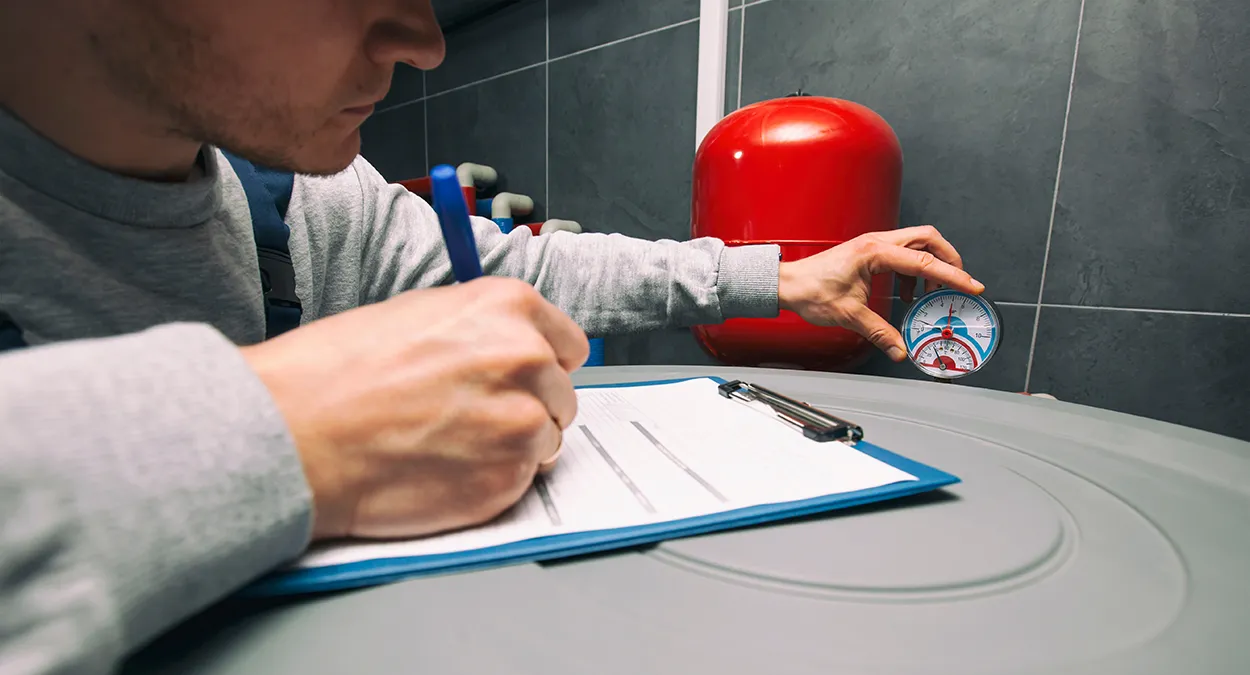
When Should I Call an HVAC Professional?
Certain furnace noises demand immediate attention from a skilled professional. Don’t delay contacting an HVAC technician if you hear:
Immediate Furnace Noise Concerns
- Any banging noise when your furnace starts, especially with gas furnaces
- High-pitched whistling sounds that persist even after replacing the air filter
- Loud grinding or metal-on-metal sounds from mechanical components
- A buzzing sound accompanied by the smell of burning or unusual odors
Safety Issues
- Sounds suggesting a cracked heat exchanger that could leak dangerous gases
- Clicking noise that prevents ignition, potentially causing gas buildup
- Any noise accompanied by a yellow flame color instead of blue
- Unusual sounds with reduced heating performance or system shutdowns
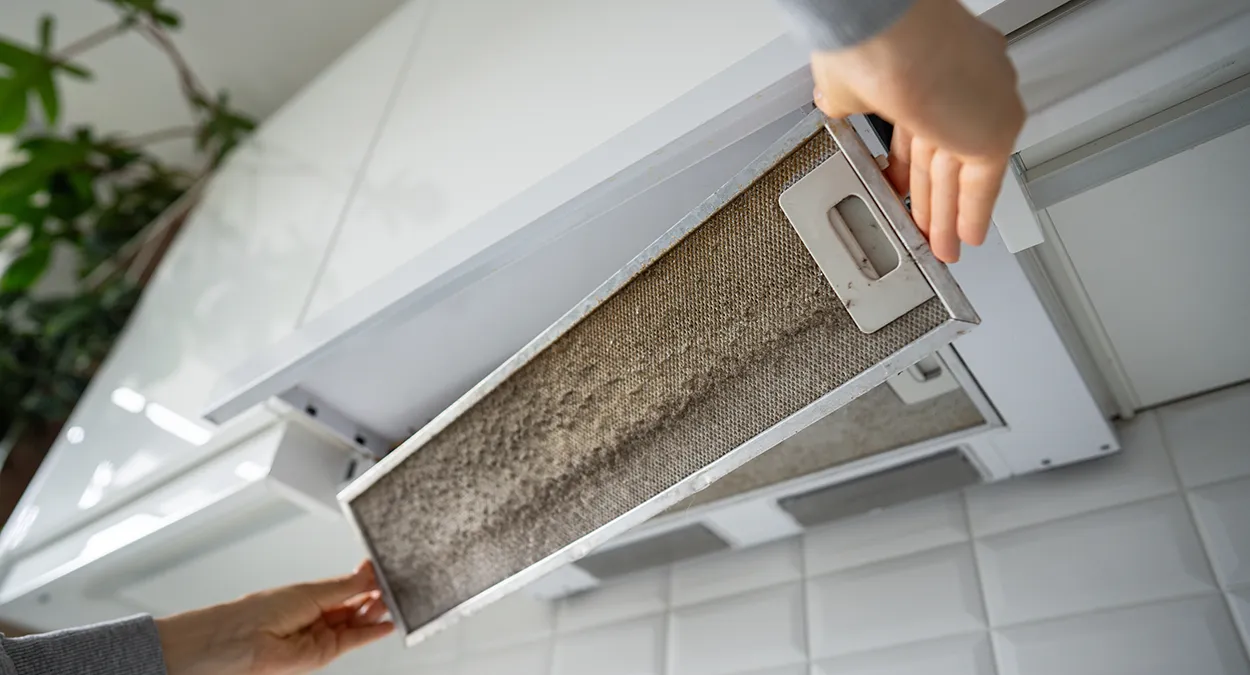
How Can I Prevent My Furnace From Making Noises?
Regular maintenance keeps your heater operating safely and quietly. These preventive steps reduce the likelihood of developing furnace noises:
Basic Maintenance Tasks
- Replace your air filter every 1-3 months, depending on usage and household conditions
- Schedule an annual professional inspection before the winter heating season begins
- Keep the area around your furnace clear for proper ventilation
- Listen for changes in normal operation sounds that might indicate developing problems
Professional Services
- Have an HVAC technician clean gas burners and the combustion chamber annually
- Request inspection of all mechanical components for wear and loose parts
- Ask your technician to check the electrical connections and the blower motor condition
- Ensure ductwork remains properly sealed and supported to prevent rattling noise
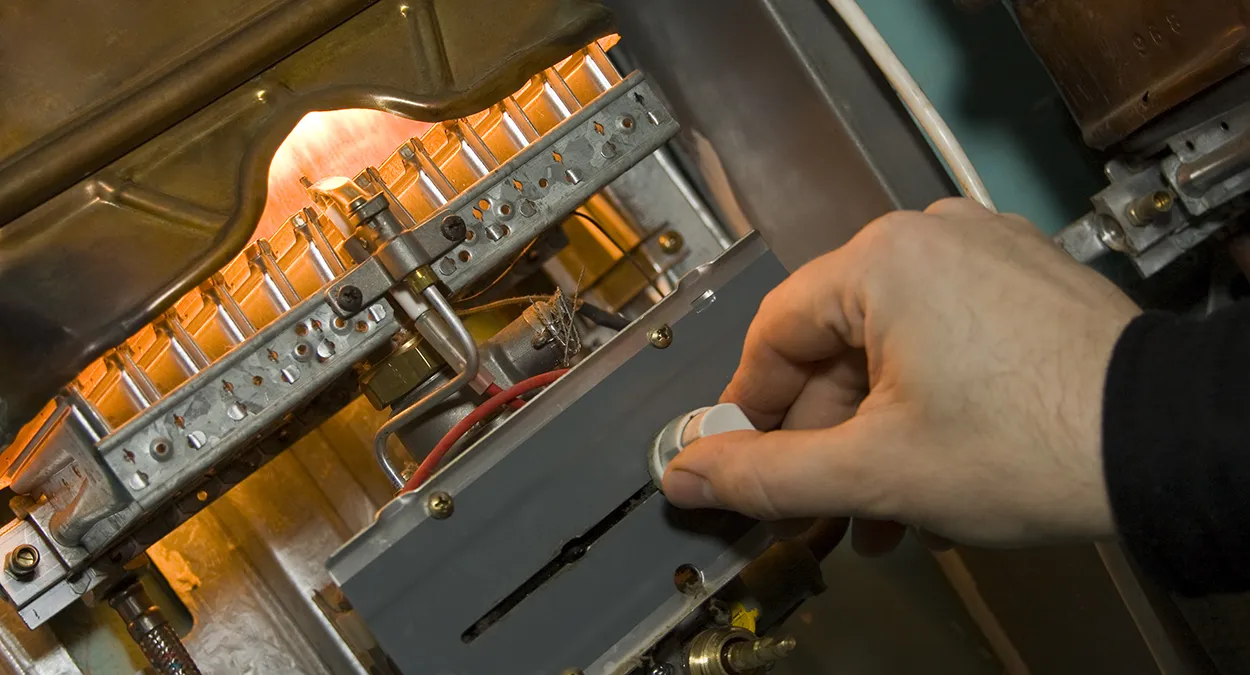
Top Reasons Why Your Furnace Might Need Repair
Understanding common issues helps you recognize when your aging furnace needs professional attention:
Component Wear
- Motor bearings deteriorate with age and use, requiring replacement
- Belt-driven systems develop worn or damaged belts that squeal
- Metal parts throughout your system expand and contract, eventually loosening
- Older furnaces have more worn components, requiring frequent repair
Maintenance Neglect
- Dirty gas burners cause delayed ignition and a banging noise
- Neglected filter replacement leads to reduced airflow and system strain
- Lack of regular service allows minor issues to develop into major problems
- Skipped professional inspections result in undetected safety hazard
Can My Furnace Operate Safely Even If It Makes Noise?
Not all furnace sounds indicate safety concerns, but some require immediate attention:
Normal Sounds
- Gentle humming from the blower fan during operation
- Soft clicking noise at startup and shutdown cycles
- Quiet whooshing of warm air moving through ducts
- Minor popping from ductwork thermal expansion
Warning Signs
- A loud noise that’s new or getting worse over time
- Sounds accompanied by reduced heat output or frequent cycling
- Noises with burning smells or visible damage to system components
- Symptoms like headaches, dizziness, or nausea could indicate gas exposure

Conclusion
When your furnace is making strange sounds, don’t ignore the warning signs. While some noises are normal, many indicate problems that require professional attention.
A skilled professional can diagnose whether you need simple fixes like air filter replacement or more significant repair work on mechanical components, gas burners, or the heat exchanger.
“At Patron Air, we always recommend addressing unusual furnace noises immediately rather than hoping they’ll go away on their own,” Kanipe explains. “Regular maintenance by an HVAC technician prevents many noise issues and ensures your system operates efficiently and safely throughout the heating season.”
If your furnace is banging when it starts or grinding, schedule an appointment with Patriot Air Comfort Systems today for a comprehensive furnace inspection. Our NATE certified HVAC technicians will identify the source of unusual furnace noises and provide expert solutions to keep your home comfortable and your heating system operating safely all winter long.