

7 Warning Signs That Your Furnace Needs Repairs
Rising energy bills, strange noises, cold air, and uneven heating are all red flags that your furnace may be headed for a breakdown. Learn the 7 warning signs that it’s time to call a professional so you can protect your family’s comfort, safety, and wallet this winter.
Recognizing furnace problems early prevents costly breakdowns and protects your family’s safety. Watch for these critical warning signs that indicate it’s time for a furnace repair:
- Rising energy bills – may indicate declining system performance
- Strange noises – banging, squealing, or rumbling can signal mechanical issues
- Cold air output – suggests thermostat, ignition, or heat exchanger problems
- Unusual odors – especially rotten egg smell indicating gas leaks
- Uneven heating – points to ductwork or airflow issues
- Abnormal cycling – short-cycling or constant running wastes energy
- Age over 15-20 years – older furnaces require frequent repairs
Contact professional HVAC technicians immediately if you notice these symptoms to ensure reliable heating and home safety.
Table of Contents
Your furnace works tirelessly throughout winter to keep your home comfortable, but like any mechanical system, it can develop problems that require professional attention. Recognizing the warning signs early can prevent costly breakdowns, ensure your family’s safety, and extend the life of your heating system.

Why Is Regular Furnace Maintenance Important?
Proactive care keeps your heating system running safely and reliably. A well-maintained gas furnace can last up to 20 years while providing consistent warmth and lower energy costs.
- Inspections help identify minor issues before they escalate into major problems or require complete system replacement.
- Routine servicing ensures peak performance, reducing utility bills throughout the heating season.
- Addressing potential safety hazards, such as carbon monoxide leaks or cracked heat exchangers, protects your family.
- Scheduled tune-ups maintain warranty coverage and prevent unexpected winter breakdowns.
“Homeowners often overlook furnace maintenance until something goes wrong,” says William Kanipe, President of Patriot Air Comfort Systems. “The reality is that a small investment in annual maintenance can save thousands in emergency repairs and keep your family safe and your home comfortable.

What Are the Warning Signs That Your Furnace Needs Repair?
Recognizing these common indicators can help you address problems before they escalate into major failures.
1. Are Your Energy Bills Suddenly Higher Than Normal?
A spike in heating costs often signals your system is working harder to maintain comfortable temperatures.
- Unexpected increases in utility bills often indicate worn components or airflow restrictions that affect performance.
- Comparing your current bills to those from previous winters can reveal concerning trends that warrant further inspection.
- Investing in a high-efficiency replacement can significantly reduce monthly heating costs while improving home comfort.

2. Is Your Furnace Making Strange or Loud Noises?
Unusual sounds from your heating system shouldn’t be ignored. Different noises can indicate specific mechanical problems that need immediate attention.
- Banging or popping sounds may signal delayed ignition, where gas builds up before igniting, creating small blasts.
- Squealing or screeching typically indicates worn blower motor bearings or belt problems that can lead to system failure.
- Rumbling noises after the burner shuts off could suggest a cracked heat exchanger, a serious safety concern due to potential carbon monoxide leaks.
- Rattling sounds often mean loose components or ductwork connections that need tightening.
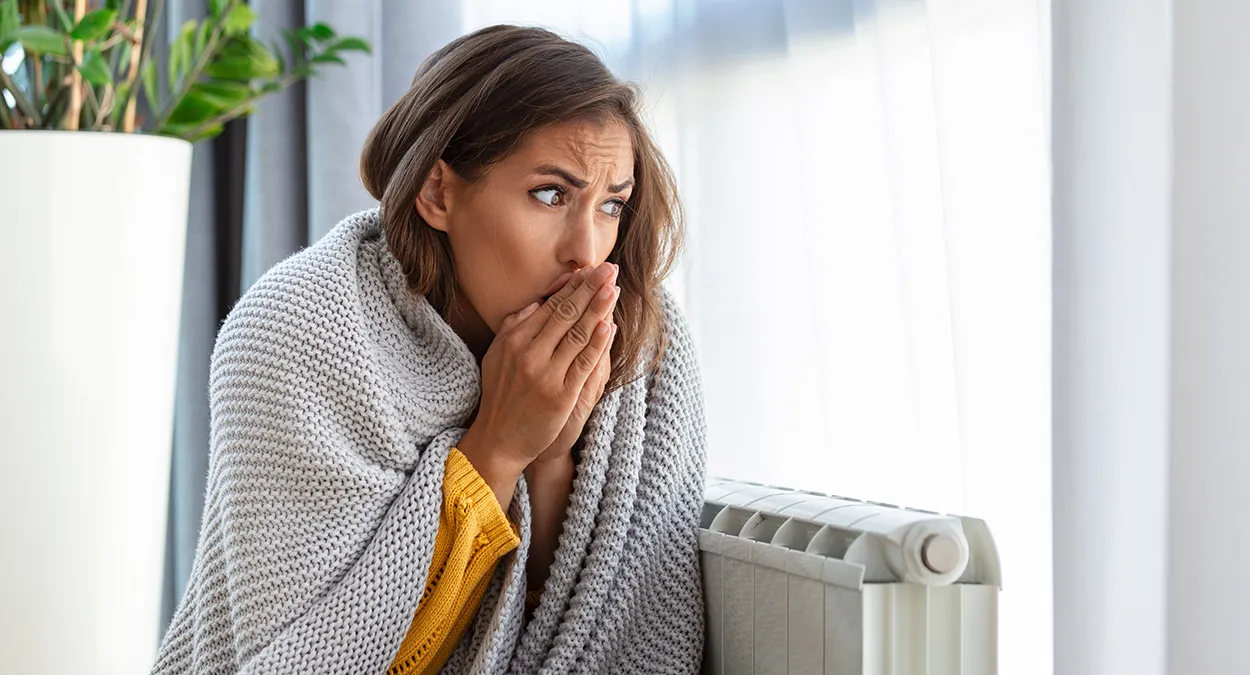
3. Is Your Furnace Blowing Cold Air Instead of Warm Air?
A furnace that fails to heat properly defeats its primary purpose. Several issues can cause this frustrating problem.
- A malfunctioning thermostat may be sending incorrect signals to your furnace, preventing proper heating cycles.
- A pilot light that’s out or an electronic ignition problem can prevent your burner from firing and generating heat.
- A cracked heat exchanger or combustion process failure represents a serious issue that may require furnace replacement.
- Airflow restrictions from dirty filters or blocked vents can prevent warm air from circulating through your home.

4. Are You Noticing Unusual Smells Coming From Your Furnace?
Different odors can indicate various problems, some of which pose immediate safety risks. Trust your nose when something doesn’t smell right.
- A rotten egg smell indicates a natural gas leak—evacuate immediately and contact your gas company and emergency services.
- A dusty or burning smell when first starting your furnace for the season is usually normal, but persistent burning odors require investigation.
- Metallic or oily smells may suggest overheating components or mechanical failures that need prompt repair.
- Musty odors could indicate mold growth in your ductwork or around your furnace, which affects indoor air quality

5. Does Your Home Have Uneven Heating or Cold Spots?
Inconsistent temperatures throughout your home suggest your furnace isn’t distributing heat properly. This comfort issue often points to deeper system problems.
- Some rooms staying colder than others can indicate ductwork leaks, blocked vents, or an undersized furnace for your home’s square footage.
- Thermostat location problems can cause the system to cycle incorrectly, leaving some areas under-heated.
- Blower motor issues can reduce airflow to certain parts of your home, creating uncomfortable temperature variations.
6. Is Your Furnace Short-Cycling or Running Constantly?
Abnormal heating cycles indicate your furnace is struggling to maintain proper operation. Both extremes waste energy and strain system components.
- Short-cycling (turning on and off frequently) often results from a malfunctioning thermostat, clogged filter, or oversized furnace.
- A furnace that runs continuously may have a faulty limit switch, poor insulation, or an undersized system for your heating needs.
- Addressing cycling issues promptly can extend your furnace’s useful life and prevent premature component failure.

7. Is Your Furnace Older Than 15-20 Years?
Age alone can be a warning sign, even if your system seems to be functioning. Older furnaces become less reliable over time.
- Furnaces nearing or exceeding their 15-20 year life expectancy are more prone to breakdowns.
- If repair costs exceed 50% of a new system’s price, replacement typically makes better financial sense.
- Frequent repairs in recent years signal your furnace is reaching the end of its useful life.
- Modern systems offer improved reliability, energy savings, advanced features, and better safety protections.
“We always provide honest recommendations based on what’s best for the homeowner,” explains William Kanipe. “Sometimes a simple repair is all that’s needed, but when we see a furnace that’s costing more to maintain than replace, we’ll walk you through the numbers so you can make an informed decision about your home’s heating system

How Can Professional HVAC Technicians Help?
Experienced technicians provide the expertise necessary to diagnose and resolve furnace issues safely. DIY repairs on heating systems can be dangerous and may void warranties.
- Certified HVAC technicians have the specialized tools and training to safely work with gas lines, electrical systems, and combustion processes.
- Thorough inspections identify problems early, often before you notice symptoms, preventing emergency breakdowns.
- Expert diagnostics ensure you get the right solution—whether that’s a targeted repair or a full system replacement.
Keep Your Home Warm and Safe This Winter
Don’t wait for a complete furnace failure to leave your family in the cold. If you’ve noticed any of these warning signs—rising energy bills, strange noises, cold air, unusual odors, uneven heating, abnormal cycling, or an aging system—contact Patriot Air Comfort Systems today.
Our experienced HVAC technicians provide comprehensive furnace repair, maintenance, and installation services throughout the region. We’ll diagnose your heating system issues accurately, provide honest recommendations, and ensure your home stays comfortable and safe all winter long.
Contact us to schedule a new furnace installation, inspection, or regular maintenance and experience the peace of mind that comes with a properly functioning heating system.